

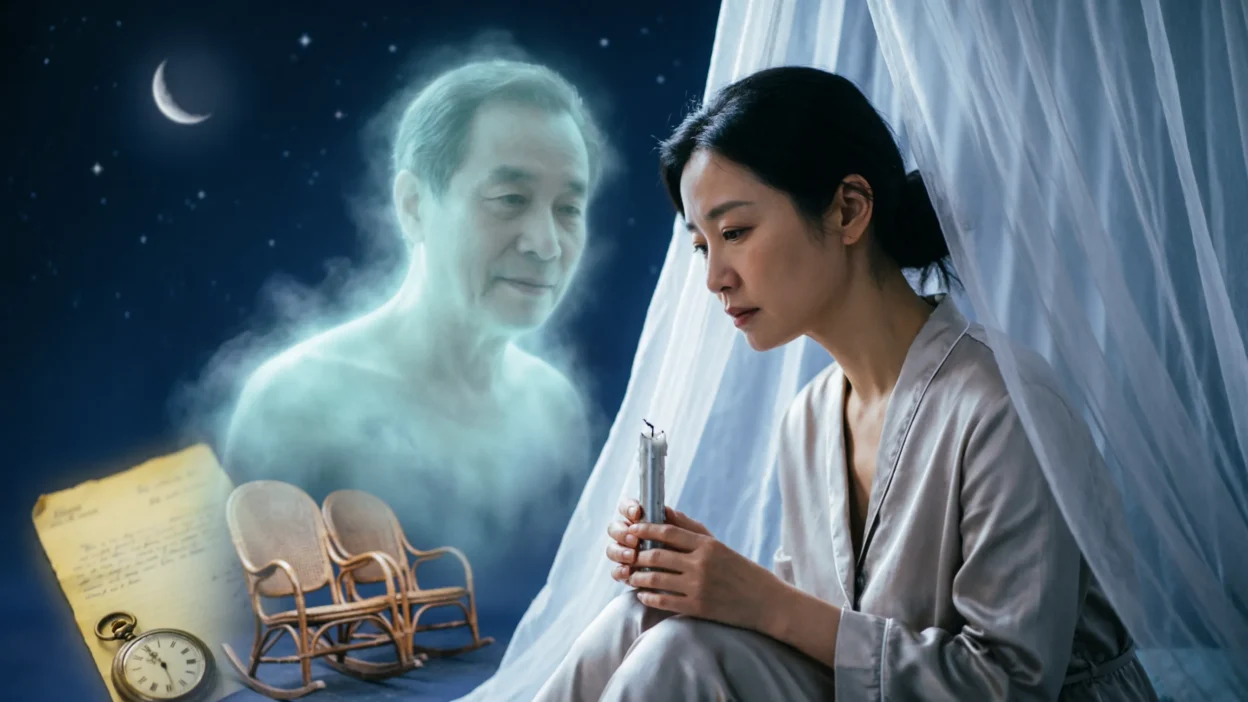
Dreams about speaking with a deceased husband can feel incredibly real. You may wake up with tears in your eyes, a strange sense of peace, or deep confusion that lingers all day. For many people, these dreams feel more than ordinary imagination — they feel personal, emotional, and spiritually significant.
The talking to dead husband dream meaning often connects to grief, unresolved emotions, longing, healing, and inner transformation. Sometimes the dream reflects emotional pain that still lives within the subconscious. Other times, it may symbolize guidance, closure, or your mind trying to process change and loneliness.
These dreams can also awaken deeper questions about the soul, spiritual connection, and the hidden parts of ourselves. In dream psychology, encounters with the dead frequently reveal an inner conflict between the past and present, the conscious mind and the unconscious, or emotional wounds and personal healing.
In this article, we’ll explore the emotional, psychological, spiritual, and symbolic meanings behind dreams of talking to a dead husband — including shadow symbolism, Freudian and Jungian interpretations, energy-based insights, scientific explanations, and healing guidance.
What Does It Mean to Dream About Talking to a Dead Husband?
At its core, this dream usually symbolizes a continuing emotional bond. Love, grief, memory, and attachment do not disappear immediately after death. The subconscious mind often keeps relationships alive through dreams.
The dream may represent:
- Unresolved emotions
- A need for closure
- Loneliness or emotional emptiness
- Guidance during difficult times
- Healing after grief
- Fear of moving forward
- Spiritual connection or comfort
The meaning depends heavily on the emotions inside the dream. Did you feel comforted, frightened, peaceful, guilty, or desperate? The emotional tone reveals the deeper message.
For example:
- A peaceful conversation may symbolize acceptance and healing.
- A disturbing or emotional conversation may reflect unresolved guilt, regret, or emotional pain.
- Silence from the husband may symbolize emotional distance or unfinished feelings.
- Advice from him may represent your inner wisdom trying to guide you.
Emotional Symbolism of the Dream
Dreams about deceased loved ones often emerge during emotionally sensitive periods.
You may experience these dreams after:
- Major life changes
- Loneliness
- Stress or anxiety
- Anniversaries
- Relationship struggles
- Personal transformation
- Emotional burnout
The subconscious mind uses familiar emotional figures — especially loved ones — to process deep feelings safely.
Your husband in the dream may symbolize:
- Security
- Protection
- Emotional support
- Stability
- Love and partnership
- The past version of yourself
Sometimes the dream is not only about him — it is about the part of you connected to him.
The Shadow Symbolism in Dreams
In dream psychology, the shadow represents hidden emotions, suppressed memories, fears, guilt, and parts of the self we avoid confronting.
Even though this dream focuses on a deceased husband, shadow symbolism can still appear strongly.
The husband may represent:
- Hidden grief you have not fully processed
- Emotional wounds buried beneath daily life
- Fear of abandonment
- Fear of being alone
- Regret or unresolved conflict
- The struggle between the ego and higher self
The ego wants control, certainty, and emotional protection. The higher self seeks truth, healing, and spiritual growth.
Dreams involving deceased loved ones often occur when these two forces are in conflict.
Why Being Chased Intensifies the Meaning
Sometimes dreams about a dead husband include fear, pursuit, or emotional urgency. You may dream that he is following you, searching for you, or appearing unexpectedly.
Being chased in dreams usually symbolizes avoidance.
It often means:
- You are running from painful emotions
- Grief remains unresolved
- Fear of loss still controls part of your life
- Emotional healing has been delayed
The “chasing” element intensifies the dream because the subconscious mind is demanding attention.
The hidden message becomes:
“There is something emotional you can no longer avoid.”
This does not mean the spirit is dangerous. More often, it reflects emotional pressure building inside the subconscious mind.
Freudian Interpretation of Talking to a Dead Husband Dreams
Sigmund Freud believed dreams were expressions of unconscious desires, fears, and unresolved emotions.
From a Freudian perspective, dreaming of a dead husband may represent:
- Unfinished emotional attachment
- Repressed grief
- Unspoken words
- Dependency or emotional longing
- Guilt connected to the relationship
Freud believed the subconscious disguises painful emotions symbolically. A deceased husband speaking in dreams may reflect emotional needs that remain unmet in waking life.
For example:
- Seeking reassurance
- Wanting forgiveness
- Desiring emotional protection
- Longing for connection
The dream becomes a safe emotional space where the mind processes loss indirectly.
Jungian Interpretation: The Soul, Shadow & Transformation
Carl Jung viewed dreams much more spiritually and symbolically.
According to Jung, deceased figures in dreams often represent:
- Transformation
- Spiritual wisdom
- The unconscious mind
- The “anima” or emotional self
- The shadow self
- Inner guidance
Jung believed death in dreams rarely symbolizes literal death. Instead, it represents transition and rebirth.
Talking with a dead husband may symbolize:
- A transition into a new phase of life
- Emotional integration
- Healing old wounds
- Contact with deeper wisdom inside yourself
Jung also believed certain dreams carried archetypal or spiritual energy beyond simple memory.
In this interpretation, the husband may appear as a guide helping you navigate emotional transformation.
Spiritual Meaning of Talking to a Dead Husband in Dreams
Spiritually, many people believe dreams can act as bridges between emotional energy and spiritual awareness.
Some traditions interpret these dreams as:
- Visits from the spirit world
- Messages of comfort
- Signs of protection
- Energetic connection through love
- Soul communication during vulnerable emotional states
Whether literal or symbolic, these dreams often feel emotionally powerful because they activate deep emotional energy.
Common spiritual meanings include:
1. Emotional Healing
The dream may appear when your soul is trying to release grief and emotional heaviness.
2. Unfinished Energy
Strong emotional bonds sometimes remain psychologically active after loss.
3. Guidance During Change
The husband may symbolize inner support during uncertainty or transformation.
4. Awakening & Inner Growth
These dreams can trigger spiritual reflection and self-discovery.
Chakras, Energy & Emotional Blocks
Energy-based interpretations connect these dreams to blocked emotional centers.
Heart Chakra
The heart chakra relates to love, grief, compassion, and emotional healing.
Dreams about deceased partners often appear when this energy center feels blocked by sadness, loneliness, or emotional pain.
Symptoms may include:
- Emotional heaviness
- Difficulty moving on
- Fear of intimacy
- Persistent grief
Throat Chakra
If conversation is central in the dream, the throat chakra may symbolize unspoken emotions.
You may still carry:
- Regret
- Words left unsaid
- Emotional suppression
- Hidden guilt
Spiritual Awakening
Sometimes repeated dreams of deceased loved ones occur during periods of heightened spiritual awareness or emotional awakening.
The subconscious becomes more active, intuitive, and emotionally sensitive.
Common Dream Scenarios & Their Meanings
Dream of Talking Peacefully With Your Dead Husband
This usually symbolizes healing, comfort, acceptance, and emotional reassurance.
You may be gradually finding peace within yourself.
Dream of Crying While Talking to Him
This often reflects emotional release.
The subconscious may finally be allowing grief to surface instead of remaining suppressed.
Dream of Your Husband Warning You About Something
This may symbolize intuition and inner wisdom.
The “warning” often reflects your subconscious awareness of stress, unhealthy patterns, or emotional danger.
Dream of Running From Him
Running symbolizes avoidance.
You may fear confronting grief, loneliness, guilt, or emotional truth.
Dream of Never Being Caught
If the husband chases you but never catches you, it may suggest:
- Ongoing emotional resistance
- Avoided healing
- Delayed emotional acceptance
The subconscious conflict remains unresolved.
Dream of Facing Him Directly
Facing the deceased husband calmly often symbolizes emotional courage and healing progress.
This dream can represent acceptance and inner growth.
Dream of Him Disappearing
Disappearance may symbolize:
- Fear of forgetting
- Emotional detachment
- Acceptance of change
- Transition into a new life stage
The meaning depends on whether the dream felt peaceful or painful.
Gradual Realization vs Sudden Fear in the Dream
The emotional pacing of the dream matters greatly.
Gradual Realization
If you slowly realize you are speaking with your deceased husband, the dream often reflects emotional integration and acceptance.
The subconscious is gently processing grief.
These dreams usually feel:
- Calm
- Emotional
- Reflective
- Healing
Sudden Fear or Shock
If the dream suddenly becomes frightening, it may symbolize emotional overwhelm or unresolved trauma.
This often happens when grief has been deeply suppressed.
The sudden fear reflects the subconscious mind forcing hidden emotions into awareness.
Causes of These Dreams
Many emotional and psychological triggers can cause dreams about deceased loved ones.
Stress & Anxiety
Stress increases emotional dream intensity.
The brain often revisits emotionally significant memories during difficult periods.
Trauma & Grief
Loss deeply affects the subconscious mind.
Dreams become part of the emotional healing process.
Major Life Changes
You may dream of a deceased husband during:
- Moving
- Relationship changes
- Financial struggles
- Aging
- Parenting challenges
- Career transitions
The mind seeks emotional grounding through familiar emotional figures.
Loneliness & Emotional Longing
Dreams can temporarily recreate emotional closeness that feels missing in waking life.
Scientific Explanation of These Dreams
Science views these dreams as part of emotional memory processing.
During REM sleep, the brain becomes highly active emotionally.
Researchers believe dreams help with:
- Emotional regulation
- Memory integration
- Threat simulation
- Trauma processing
- Problem solving
The brain revisits emotionally significant people because those memories carry strong emotional energy.
Threat Simulation Theory
This theory suggests the brain practices emotional survival scenarios during dreams.
Fearful or emotionally intense dreams may help prepare us psychologically for stress and uncertainty.
Personal Growth Lessons Hidden in the Dream
Although painful, these dreams often contain opportunities for growth.
Possible lessons include:
- Accepting emotional truth
- Releasing guilt
- Learning self-compassion
- Healing loneliness
- Understanding attachment
- Embracing change
- Reconnecting with inner strength
Dreams about deceased loved ones can become turning points in emotional healing.
Reflection & Healing Tips
1. Keep a Dream Journal
Write down:
- Emotions
- Symbols
- Conversations
- Repeated themes
Patterns often emerge over time.
2. Practice Mindfulness
Mindfulness helps reduce emotional overwhelm and anxiety connected to recurring dreams.
Simple breathing exercises before sleep may help.
3. Explore Shadow Work
Shadow work involves gently confronting hidden emotions instead of avoiding them.
Ask yourself:
- What feelings am I suppressing?
- What part of grief remains unresolved?
- What emotional truth am I avoiding?
4. Allow Yourself to Grieve
Healing is not linear.
Dreams may appear months or years later because emotional bonds remain meaningful.
5. Seek Emotional Support
Talking with trusted people or a therapist can help process unresolved grief safely.
Frequently Asked Questions
Is dreaming about talking to my dead husband normal?
Yes. Dreams about deceased loved ones are extremely common, especially during grief, stress, or major emotional transitions.
Does the dream mean my husband is visiting me spiritually?
Some people interpret these dreams spiritually, while psychology views them as subconscious emotional processing. The meaning depends on your beliefs and emotional experience.
Why do these dreams feel so real?
During REM sleep, emotional centers in the brain become highly active, making dreams vivid and emotionally intense.
What if the dream scares me?
Fearful dreams often reflect unresolved grief, stress, anxiety, or emotional suppression rather than danger.
Why do I keep having the same dream repeatedly?
Recurring dreams usually indicate unresolved emotions or ongoing psychological processing.
What does it mean if my dead husband says nothing?
Silence may symbolize emotional distance, unfinished feelings, or difficulty expressing grief consciously.
Can these dreams help with healing?
Yes. Many people experience emotional release, comfort, and self-understanding through these dreams.
Should I worry about recurring dreams of the dead?
Not usually. However, if the dreams cause severe distress or interfere with daily life, speaking with a mental health professional may help.
Final Thoughts
Dreams about talking to a dead husband can be emotional, comforting, confusing, or deeply transformative. Whether viewed psychologically, spiritually, or scientifically, these dreams often reflect the heart’s attempt to process love, grief, memory, and change.
Sometimes the dream reveals unresolved emotional pain. Other times, it becomes a quiet reminder that emotional bonds continue shaping us long after loss.
Instead of fearing these dreams, it may help to approach them with curiosity and compassion. They often carry messages about healing, self-awareness, emotional truth, and personal growth.
Listening carefully to the emotions within the dream can reveal what your subconscious — and perhaps your spirit — is truly trying to say.